
How Entertainment Shapes Modern South African Culture
By Elena Nkosi · 12 September 2026
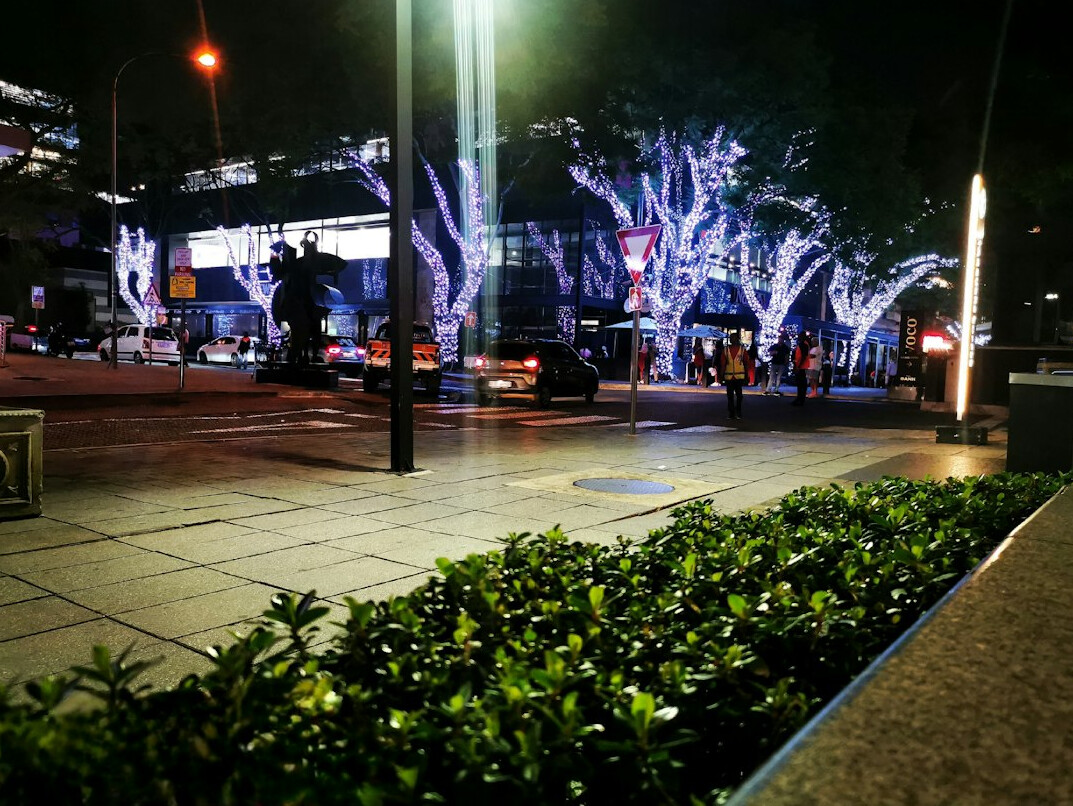
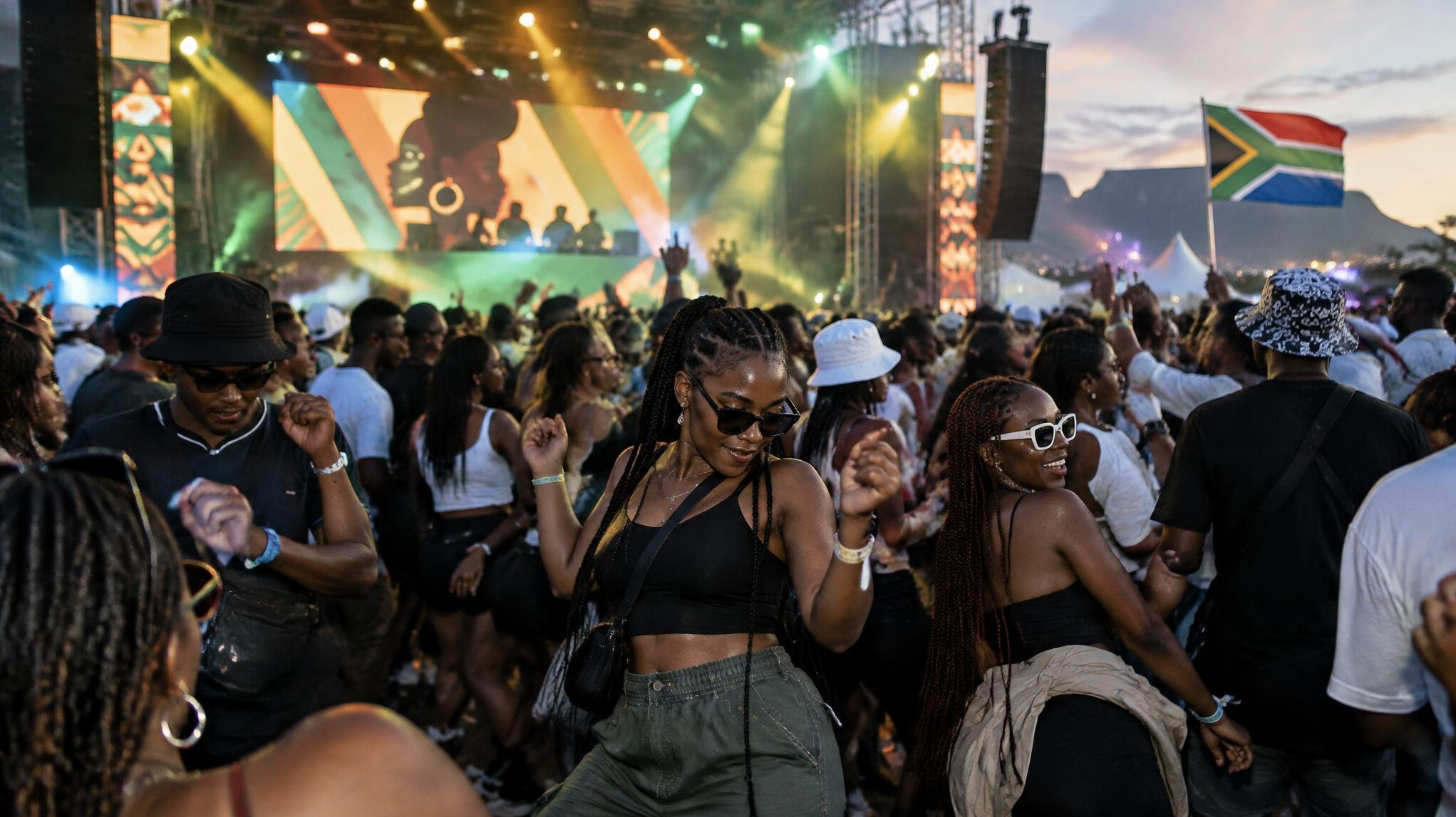
Entertainment in South Africa has always been more than just a way to pass the time. It weaves itself into the fabric of daily life, influencing everything from the way people speak to the issues they rally around. Over the past decade, local music genres like amapiano and kwaito have not only dominated dance floors but also shaped fashion choices and even political conversations among the youth.
Take a walk through any township or city suburb and you will notice how television soaps and reality shows set the tone for social interactions. Characters from popular series often become reference points in everyday chats, with viewers debating plot twists as if they were real family matters. This blending of fiction and reality helps communities process larger themes like inequality and family dynamics in a relatable format.
The Rise of Local Music and Its Cultural Ripple
Music remains one of the strongest forces in this cultural evolution. Artists who blend traditional rhythms with modern beats create sounds that resonate across generations. Young people adopt these rhythms not just for dancing but as expressions of identity, wearing clothing styles inspired by music videos and using slang from lyrics in their conversations. It is a living example of how creativity fuels social change.
Celebrity Influence on Trends
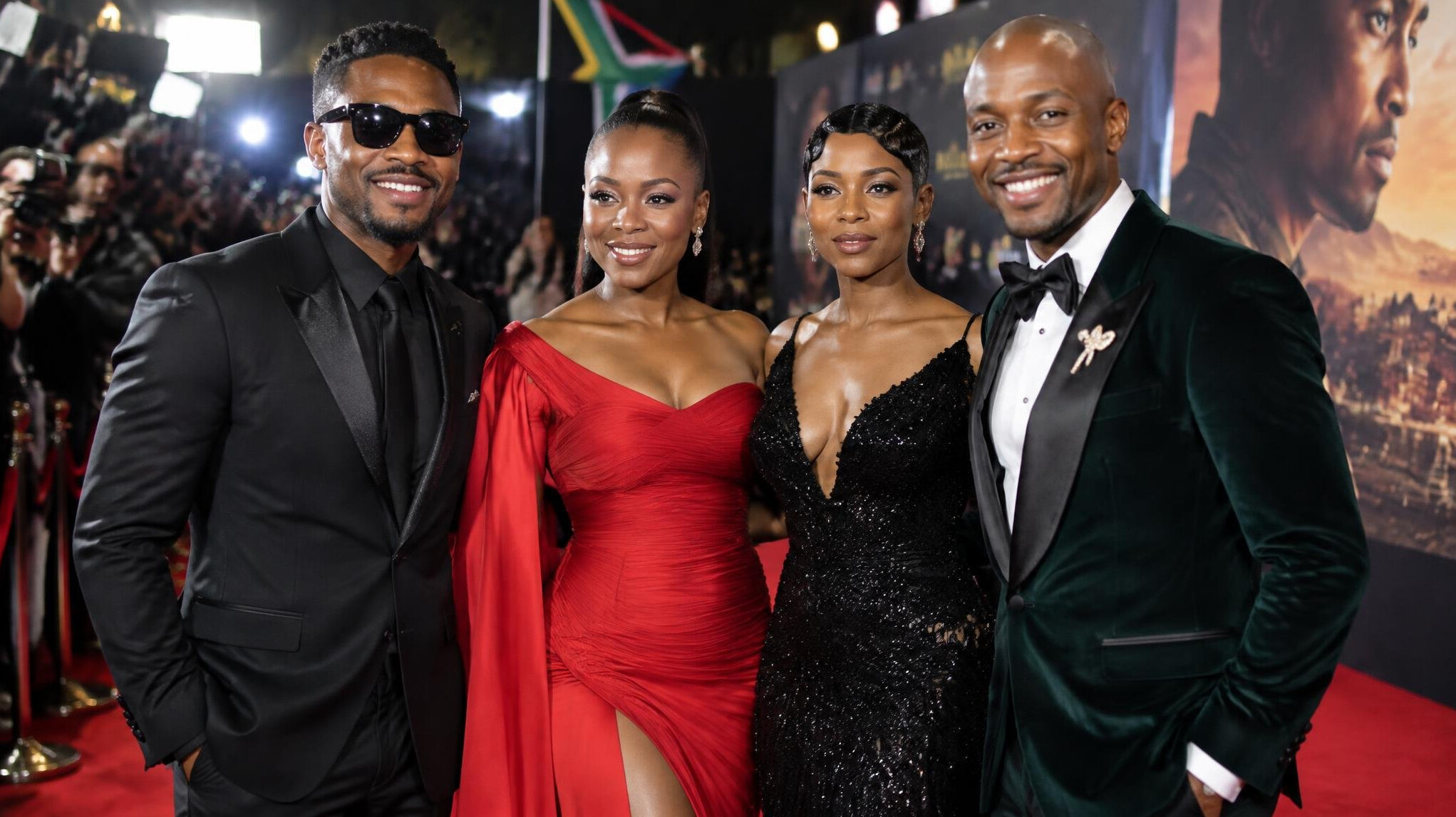
Celebrities play a key role too. Their public personas and choices often spark national discussions on topics ranging from mental health to environmental awareness. When a well-known figure endorses a local cause, it quickly gains traction on social platforms, turning entertainment moments into catalysts for action. This visibility encourages fans to engage more deeply with issues that might otherwise stay in the background.
Film and theater add another layer. Independent productions that highlight everyday struggles or triumphs bring fresh perspectives to audiences who see their own stories reflected on screen. These narratives challenge stereotypes and foster empathy, slowly shifting public attitudes toward diversity and inclusion.
Entertainment does not just reflect culture. It actively molds it, creating new norms and conversations that ripple outward.
Television and Digital Platforms as Cultural Connectors
Digital streaming has accelerated this process. With more access to local content, viewers from different backgrounds discover shared experiences through series that tackle modern challenges like urbanization and technology. This shared viewing creates a sense of unity in a diverse nation.
- Language evolution through catchy phrases from shows
- Fashion statements borrowed from on-screen icons
- Social activism sparked by celebrity-led campaigns
Yet the influence goes both ways. As audiences engage, they also push creators to address pressing topics, ensuring content stays relevant and grounded. This feedback loop keeps entertainment dynamic and responsive to societal needs.
Looking ahead, the continued growth of South African entertainment promises even deeper integration into cultural life. New voices emerging from digital spaces will likely expand these conversations, bringing fresh ideas to the forefront while honoring the rich heritage that underpins it all.